💪
Physical Well-being
Maintaining a healthy and efficiently functioning body through appropriate nutrition, hydration, physical activity, adequate rest and quality sleep.
Optimal Health is a dynamic and holistic state of well-being in which an individual strives to achieve the highest practical level of physical, mental, emotional, social, financial and functional well-being. It is not merely the absence of disease or illness, but the ability to maintain vitality, resilience, independence and quality of life through informed choices, preventive practices, healthy behaviours, creating a space to have time to himself or herself to do what one wants to do, not what one have to do.

Optimal Health represents a proactive, personalised and lifelong approach to health and well-being. It shifts the focus from simply treating illness to creating, maintaining and enhancing health.
It recognises that health is influenced by the interaction of multiple dimensions—including physical fitness, nutrition, mental and emotional well-being, sleep, relationships, environment, lifestyle, purpose, access to appropriate healthcare and creating assets to have time, health, and money freedom.
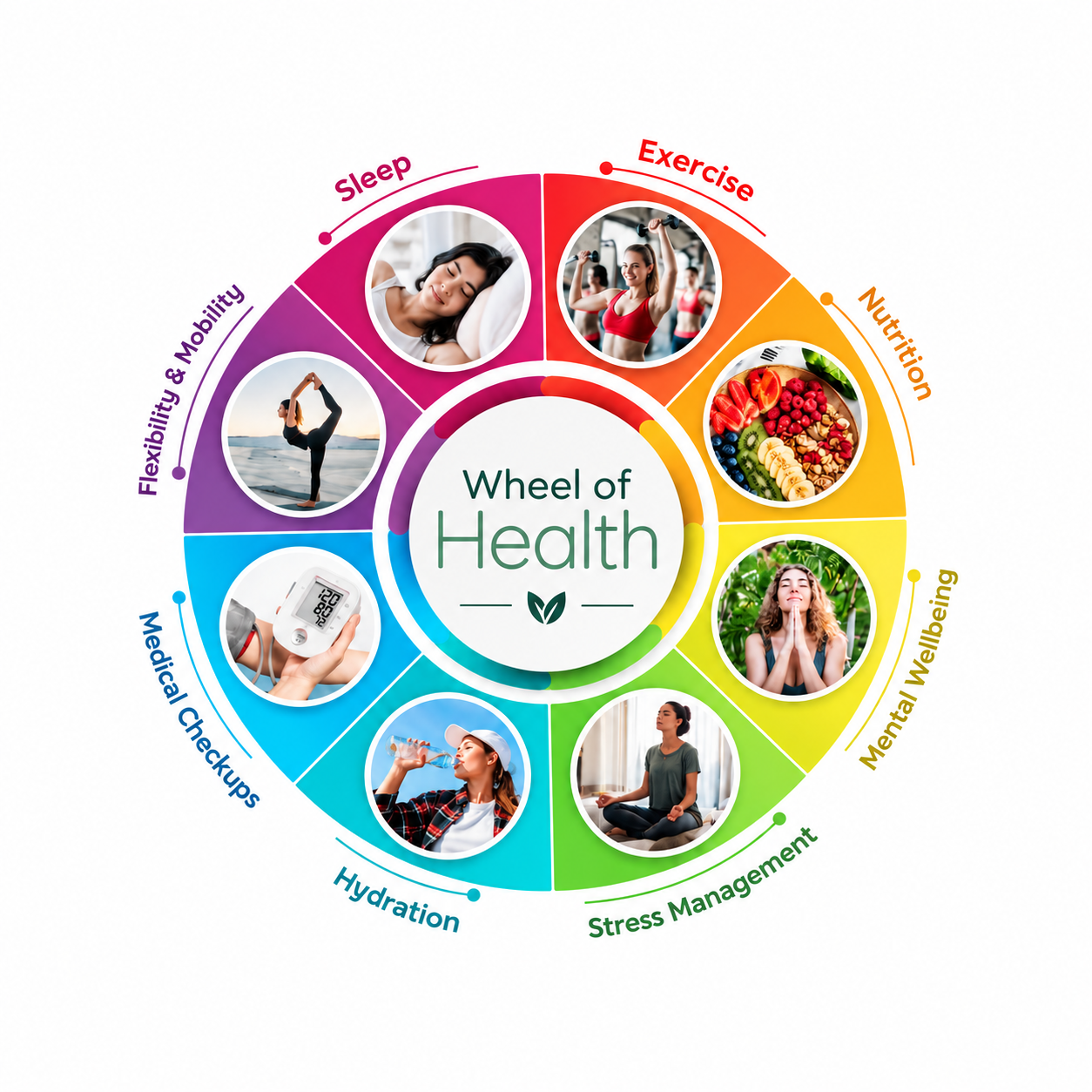
Optimal Health is achieved through a balanced approach to multiple interconnected dimensions:
Maintaining a healthy and efficiently functioning body through appropriate nutrition, hydration, physical activity, adequate rest and quality sleep.
Developing clarity of thought, cognitive fitness, adaptability, positive thinking and the ability to manage life's challenges effectively.
Understanding and managing emotions, building resilience, maintaining emotional balance and developing a positive and confident outlook.
Building healthy relationships, meaningful connections, supportive networks and a sense of belonging within family and community.
Encouraging lifelong learning, curiosity, creativity, knowledge development and continuous mental stimulation.
Developing purpose, values, inner harmony, meaning and a sense of connection with oneself and the world around us.
Creating, building and setting up assets to have time freedom.
Maintaining the strength, mobility, stamina, flexibility, balance and independence required to perform everyday activities effectively and confidently.
Good Health generally refers to a state in which an individual is functioning normally and is free from significant illness or obvious clinical symptoms. However, a person may appear healthy while underlying lifestyle-related risks or functional imbalances are developing.
Optimal Health takes a more proactive and comprehensive approach. It focuses on maximising health potential rather than simply managing illness. It encourages individuals to understand their health status, recognise potential risks, improve lifestyle behaviours, strengthen physical and mental resilience, and continuously work towards better health and quality of life.
Primarily concerned with being free from illness or significant symptoms
Focuses on achieving the highest practical level of overall well-being
Often becomes a priority when a health problem appears
Encourages proactive health management before problems develop
Focuses largely on disease and clinical outcomes
Focuses on the whole person and multiple dimensions of health
May address existing problems
Identifies risks, opportunities and areas for improvement
Often relies on reactive intervention
Emphasises prevention, early identification and continuous improvement
“I am not sick.”
“I am actively creating and improving my health.”
Focuses on maintaining a satisfactory state
Focuses on enhancing health, vitality, function and quality of life
Good health is an important foundation. Optimal Health seeks to build upon that foundation through continuous improvement and informed lifestyle choices.
A central principle of Optimal Health is early awareness and preventive action. Instead of waiting for a health problem to become significant, individuals are encouraged to understand their risk factors and take appropriate action early.
This may include attention to:
This does not replace medical diagnosis or treatment. Rather, Optimal Health complements appropriate healthcare by encouraging individuals to become more informed, proactive and responsible participants in their own health.
The philosophy of Optimal Health represents a shift:
“In essence, Optimal Health is not a destination but a continuous journey of learning, prevention, improvement and purposeful living.”
There is no single definition of “perfect health” that applies equally to everyone. Optimal Health should be understood in relation to an individual:
Therefore, the objective is not to compare one person with another, but to help each individual identify their own health potential and progressively move towards it.
The objective is not simply to live longer, but to help individuals:
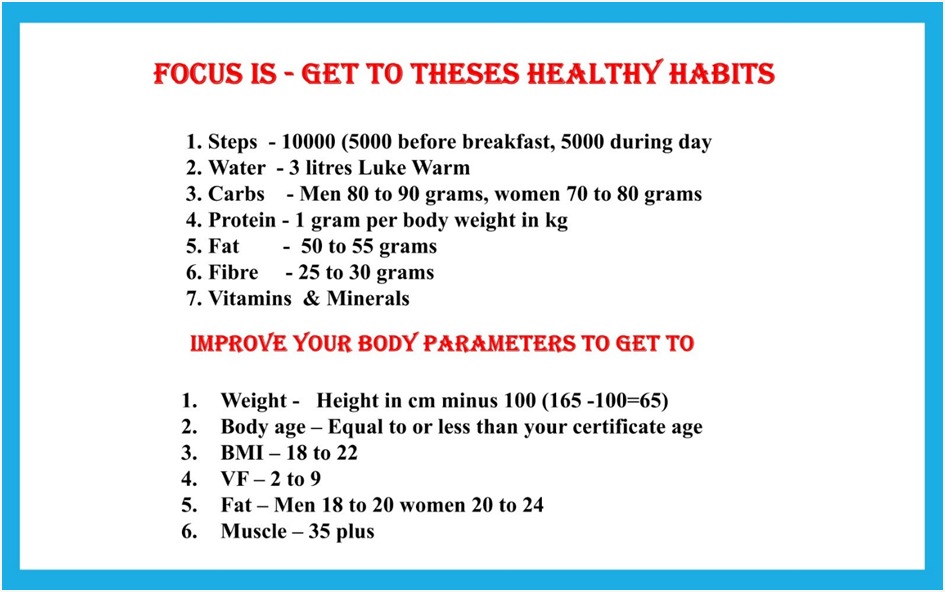
Cellular Age/Biological Age, Waist Circumference, Overweight/Obesity Status, Visceral Fat, Body Mass Index (BMI), Body Fat Percentage, and Muscle Mass are important key parameters. Regular monitoring can identify early deviations, support personalized nutrition and fitness strategies, encourage healthy weight management and help reduce preventable health risks.
Increases the risk of hypertension, heart disease, and stroke.
Significantly increases the risk of insulin resistance and type 2 diabetes.
Can contribute to breathing difficulties, sleep apnea, and reduced lung function.
Increases the risk of fatty liver disease and other digestive disorders.
Places additional stress on bones and joints, increasing the risk of osteoarthritis and mobility problems.
Associated with an increased risk of several types of cancer.
May contribute to low self-esteem, anxiety, depression, and reduced quality of life.
Increases the burden on major organ systems and may reduce healthy life expectancy
Accelerated cellular ageing can impair cell structure, repair, and regeneration, increasing long-term health risks.
Ageing muscle cells lose mass and strength, reducing physical capacity, mobility, and functional independence.
Heart, kidneys, and liver gradually lose functional reserve and their ability to respond effectively to physiological stress.
Reduced cellular regeneration can slow tissue repair and prolong recovery from wounds and injuries.
Accumulation of senescent cells promotes persistent low-grade inflammation that can damage healthy tissues.
Cellular ageing can weaken immune function, increasing susceptibility to infections and reducing immune responsiveness.
Visceral fat promotes inflammation and increases the risk of heart disease, heart failure, and cardiovascular events.
It can contribute to high blood pressure and accelerate arterial stiffness, narrowing, and plaque formation.
Excess visceral fat increases free fatty acid flow to the liver, contributing to higher triglycerides and unhealthy LDL cholesterol.
It strongly contributes to insulin resistance, metabolic syndrome, prediabetes, and type 2 diabetes—even in individuals with normal BMI.
Excess visceral fat increases the risk of metabolic dysfunction-associated steatotic liver disease (MASLD), which may progress to liver inflammation and scarring.
Higher visceral fat is associated with brain ageing, reduced brain volume, cognitive decline, and increased dementia risk.
Visceral adiposity and chronic inflammation are associated with increased risk of several cancers, including colorectal, pancreatic, kidney, breast, and uterine cancers.
Excess abdominal fat can worsen obstructive sleep apnea and breathing difficulties during sleep.
Poor sleep and elevated stress hormones may promote further visceral fat accumulation, creating a cycle of metabolic dysfunction.
Low muscle mass reduces the body's capacity to utilize glucose effectively, increasing the risk of insulin resistance, metabolic syndrome, and type 2 diabetes.
Reduced muscle tissue lowers resting metabolic rate, making fat accumulation and weight gain more likely.
Progressive muscle loss reduces physical strength, mobility, functional capacity, and independence in daily activities.
Weak muscles, particularly in the legs and core, impair balance and reaction time, increasing the risk of falls and fractures.
Reduced strength makes physical activity more difficult, leading to inactivity and further muscle loss and functional decline.
Low muscle mass limits the body's protein reserves, potentially weakening immune response and delaying recovery and wound healing.
Low muscle mass is associated with higher risks of complications, longer hospital stays, readmissions, and reduced tolerance to intensive treatments.
Reduced muscle activity may decrease beneficial myokine production, contributing to chronic inflammation and increasing long-term health risks.
May indicate inadequate nutrition and increase the risk of weakness, nutrient deficiencies, reduced immunity, and muscle loss.
Generally associated with a lower risk of weight-related health complications when supported by healthy body composition and lifestyle.
Increases the likelihood of insulin resistance, high blood pressure, abnormal cholesterol, and cardiovascular problems.
Significantly increases the risk of type 2 diabetes, cardiovascular disease, fatty liver disease, sleep apnea, and certain cancers.
Excess body weight places additional stress on bones, joints, and muscles, potentially reducing mobility and physical function.
Higher BMI may be associated with chronic inflammation, impaired glucose regulation, and metabolic syndrome.
Excess weight can impair breathing and increase the risk of obstructive sleep apnea.
Unhealthy BMI may be associated with reduced self-esteem, body-image concerns, and psychological stress.
Excess or inadequate body weight can affect stamina, strength, agility, and overall quality of life.
Increases the risk of metabolic, cardiovascular, and other chronic health conditions.
Excess fat can impair glucose regulation and increase the risk of prediabetes and type 2 diabetes.
Higher body fat, particularly abdominal fat, is associated with high blood pressure, unhealthy cholesterol, and heart disease.
Excess adipose tissue can promote persistent low-grade inflammation, affecting multiple body systems.
Increased body fat, especially visceral fat, can contribute to metabolic dysfunction-associated steatitis liver disease (MASLD).
Excess body fat can influence hormone regulation and adversely affect metabolic and reproductive health.
Higher body fat may reduce mobility, stamina, agility, and exercise capacity.
Excess body weight and fat can place additional load on the knees, hips, spine, and other weight-bearing joints.
Higher levels of body fat can increase the risk of breathing difficulties and obstructive sleep apnea.
Excessively low body fat may impair hormone production, immunity, energy levels, and normal physiological functions.
Do you wish to check your non clinical body parameters and take control of your health
Contact Optimal HealthPranayama and Yoga are holistic disciplines that cultivate harmony between the body, breath, and mind. Rooted in India's rich wellness tradition, they offer a structured approach to developing physical vitality, mental clarity, emotional balance, and greater self-awareness.
Pranayama is the conscious regulation of breathing through specific techniques and patterns. Beyond breath control, it develops awareness of the relationship between respiration, attention, and relaxation. Regular, appropriate practice can support calmness, concentration, respiratory awareness, and effective stress management.
Yoga combines physical postures (asanas), breathing practices, relaxation, concentration, and mindfulness. Its benefits extend beyond flexibility and strength, supporting mobility, posture, balance, body awareness, and mental well-being. When adapted to individual needs and practiced consistently, Yoga can become an integral part of a sustainable wellness routine.

At Optimal Health Yoga and Pranayama are approached as personalized wellness practices rather than one-size-fits-all exercises. Our distinctive approach combines individual assessment, appropriate practice selection, progressive guidance, mindful breathing, and practical lifestyle integration. The focus is not simply on performing postures or techniques, but on understanding the individual and creating sustainable practices that fit their needs, abilities, and daily life. Through this integrated approach of pranayama & yoga, physical activities, lifestyle and diet regulation, appropriate use of supplements where ever needed, mental, social, emotional, physical and financial holistic approach, Optimal Health aims to make Yoga and Pranayama practical, purposeful, and meaningful for long-term well-being.
A Nutritional Gap refers to the difference between the nutrients an individual obtains from their regular diet and the nutrients required to support optimal health, energy, immunity, growth, recovery, and overall well-being. Even when a diet appears adequate, nutritional gaps may arise because of limited food variety, poor dietary choices, increased nutritional requirements, ageing, lifestyle factors, digestive or absorption issues, stress, or certain health conditions. One of the main reasons for deficiency is inappropriate availability of nutrients in the food, what we get from our farms.
The nutritional quality of farm produce is influenced by multiple factors, including soil health, farming practices, crop variety, climate, water availability, harvesting, and post-harvest handling. Therefore, variations in nutrient density can occur even when crops appear fresh and healthy.
One important factor is soil nutrient depletion. Continuous cultivation can remove essential minerals and micronutrients from the soil, particularly when nutrients are not adequately replenished. Imbalanced fertilization, excessive tillage, soil erosion, and declining organic matter can further affect soil fertility and nutrient availability.
Soil pH and microbial activity also influence how effectively plants can absorb nutrients. Beneficial soil microorganisms contribute to nutrient cycling and plant health, while unhealthy soils may reduce nutrient availability.
Crop varieties and high-yield cultivation can also influence nutritional composition. Different varieties may naturally contain different levels of vitamins, minerals, protein, and beneficial plant compounds. Environmental factors such as temperature, rainfall, drought, sunlight, and other climate-related stresses can further affect crop development and nutrient composition.
The nutritional value of produce can also change after harvesting. Premature harvesting, prolonged storage, transportation, heat, light, and processing may reduce certain nutrients, particularly sensitive vitamins.
It is also important to distinguish between nutrient content and nutrient bioavailability. The presence of a nutrient in food does not necessarily mean that the body can absorb and utilize all of it. Therefore, maintaining healthy soil, balanced farming practices, appropriate crop selection, proper harvesting, and careful storage is essential for producing nutrient-rich food. Ultimately, nutritional well-being depends on the entire journey from healthy soil to healthy crops, nutritious food, balanced diets, and effective nutrient utilization by the body.
Bridging nutritional gaps begins with understanding individual needs and adopting a balanced, diverse, and nutrient-rich diet. Daily meals should include a variety of vegetables and fruits, whole grains, pulses and legumes, nuts and seeds, quality protein sources, healthy fats, and adequate fluids. Preference should be given to fresh, seasonal, minimally processed foods to provide a broad range of essential vitamins, minerals, fibre, protein, and other beneficial nutrients.
However, nutrition cannot be considered in isolation. Physical activity, quality sleep, stress management, hydration, digestive health, and healthy eating habits all influence how effectively the body receives, utilizes, and maintains nutrients.
Stress management is particularly important because prolonged stress can affect appetite, food choices, digestion, sleep and overall metabolic health. Practices such as breathing exercises, pranayama, yoga, meditation, relaxation techniques, social connection, and appropriate work-life balance can support healthier routines.
Regular physical activity increases the body's requirements for energy and nutrients involved in muscle function, bone health, tissue repair, recovery, and overall fitness. A combination of aerobic activity, strength training, mobility, flexibility, and regular daily movement can support healthy body composition and functional capacity when accompanied by appropriate nutrition and hydration.
Adequate and restorative sleep supports recovery, immune function, hormonal regulation, energy balance, and healthy eating patterns. Maintaining a consistent sleep schedule and developing healthy bedtime habits can therefore complement good nutrition.
An effective nutritional-gap management process should be personalized, evidence-informed, and sustainable:
Periodic review helps determine whether dietary and lifestyle changes are effectively addressing identified nutritional needs.
Closing a nutritional gap is not simply about adding a vitamin or supplement.
It is about creating the right conditions for the body to receive, absorb, utilize, and replenish the nutrients it needs. A balanced diet, supported by appropriate supplementation when genuinely required, regular physical activity, effective stress management, restorative sleep, hydration, and healthy daily routines provide a comprehensive foundation for long-term nutritional well-being and Optimal Health.
Optimal Health Expert Team considers the following factors to determine the amount of nutritional deficiency in an affected person:
Our team understands these factors for each affected person during initial interaction and devise a tailored made solution.
Optimal Health should not be viewed as a destination that is reached once and maintained forever. Health changes with age, lifestyle, environment, circumstances and life priorities. Therefore, Optimal Health is a continuous journey of awareness, prevention, action, learning, adaptation and improvement. The goal is to help every individual ask:
What can I do today to create better health for tomorrow?